 In the first post I talked about how the transition from one or two shifts to a 24 hour production scheme affects the way we usually manage our maintenance department. This kind of transition demands a change to a more methodological approach focused on preventive and proactive measures.
In the first points I talked in detail about the lack of time to perform definitive repairs, the increase in maintenance costs (and negotiate them during the planning stage of the new shift implementation), the use of predictive maintenance and taking advantage of every available time to perform maintenance tasks.
Following on from this topic, let’s see the next points: Continue reading

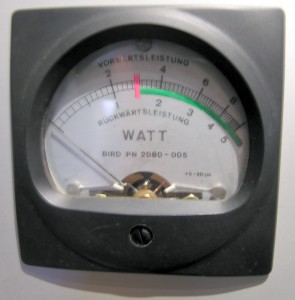 There are so many things to consider in energy management; from specific actions to improve energy efficiency, to Life Cycle Costing (LCC) and procurement strategies. Although all of them are important and should be taken into account, there is one element that is paramount for a successful energy management strategy: energy measurement.
 Having a training plan for your personnel is always a good practice. However, sometimes it’s not possible to find the adequate course because the topic is too specific, the course is not available at that moment or is too expensive.
 In the previous post I showed how to solve a simple problem by performing an Analysis of Variance (if you haven’t read it, please click
  In the
  Brainstorming is one of the most popular tools used by professional teams to find innovative solutions and ideas. It’s a quite popular technique and I’ve heard many times of people suggesting a brainstorming session to find innovative solutions for difficult problems. However, to be effective, this technique needs to be carefully led. I’ve seen many brainstorming meetings that derived in a disorganised discussion without achieving any concrete results.
 All people involved in maintenance activities know that some equipment are really easy to maintain while others can make maintenance work a real nightmare. This attribute is referred as maintainability and I’m going to discuss it and relate it to maintenance, reliability and availability concepts.
 Maintenance managers, supervisors and team leaders usually have a perception about their people and most of the time that perception is considered permanent. For example, ‘John’s lack of enthusiasm’, ‘Tom’s laziness’, ‘Kate’s intelligence’ and so on.